MUSE: Women as Muse, Women as Artist
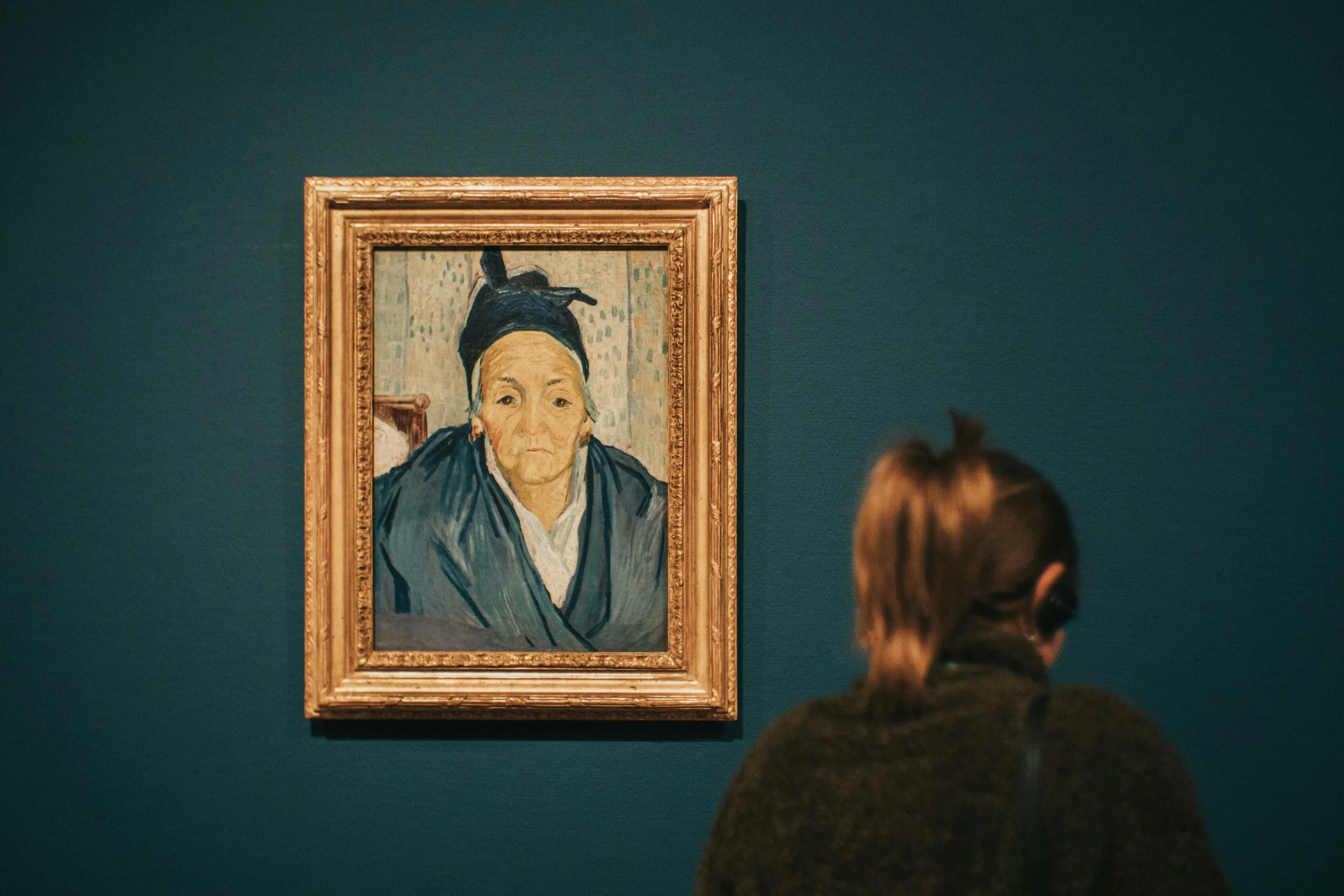
For as long as art has existed, women have been at its centre. Look along the walls of any great museum, and you will find us everywhere: painted, sculpted, cast in bronze, pressed into silk, sung about, written down. The muse. The face that launched the masterpiece. The figure who inspired the artist to pick up the brush, the chisel, the pen.
We are drawn to these images. There is Ophelia, drifting in her river, beautiful even in sorrow, painted again and again by artists who could not look away.
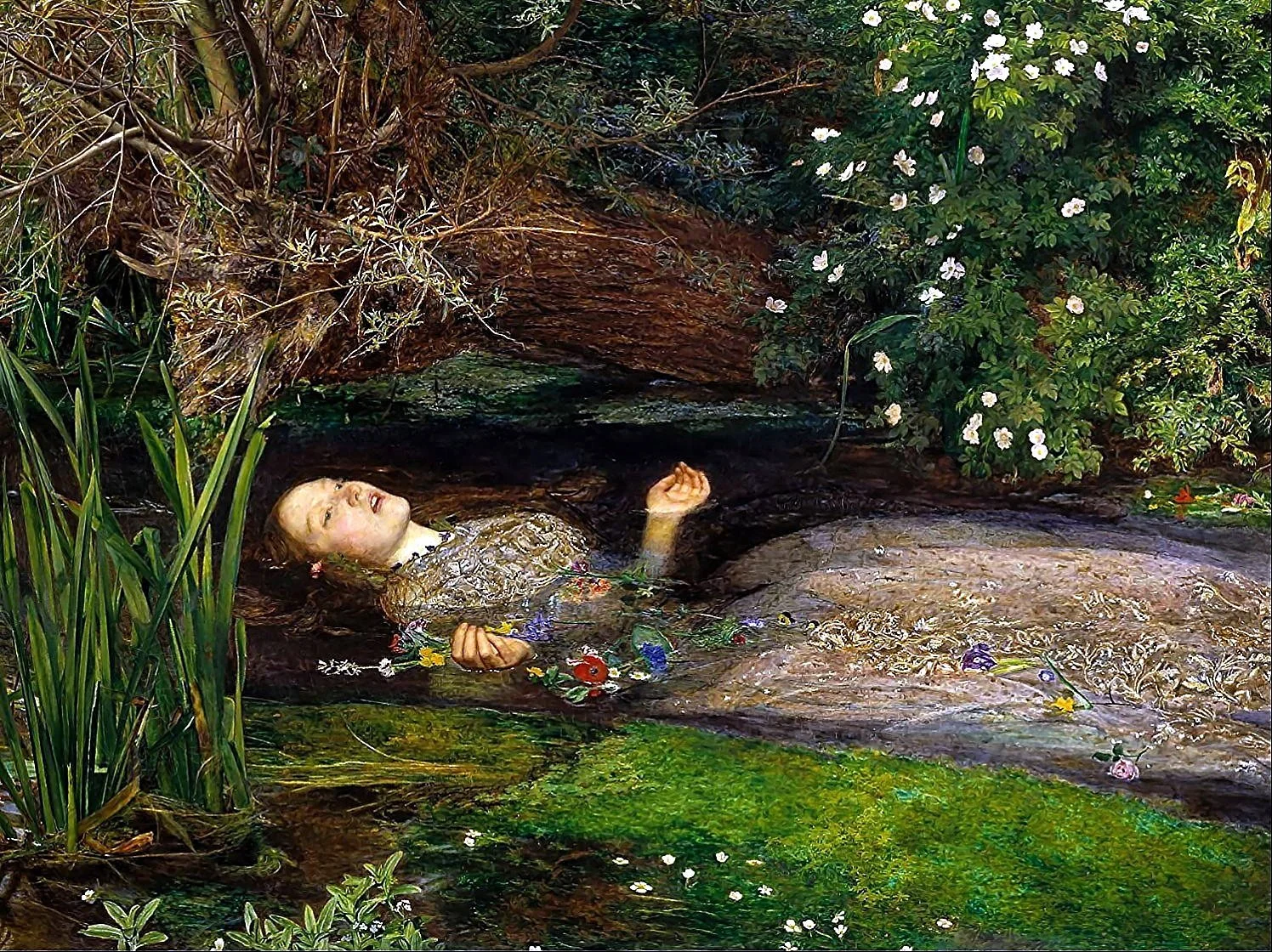
Ophelia by John Everett Millais, 1852
There are the goddesses and the mythic women: Persephone, carried between two worlds, at once victim and queen; Brünnhilde, the Valkyrie of Wagner's operas, drawn in Arthur Rackham's illustrations with her spear and her fierce, unflinching gaze.
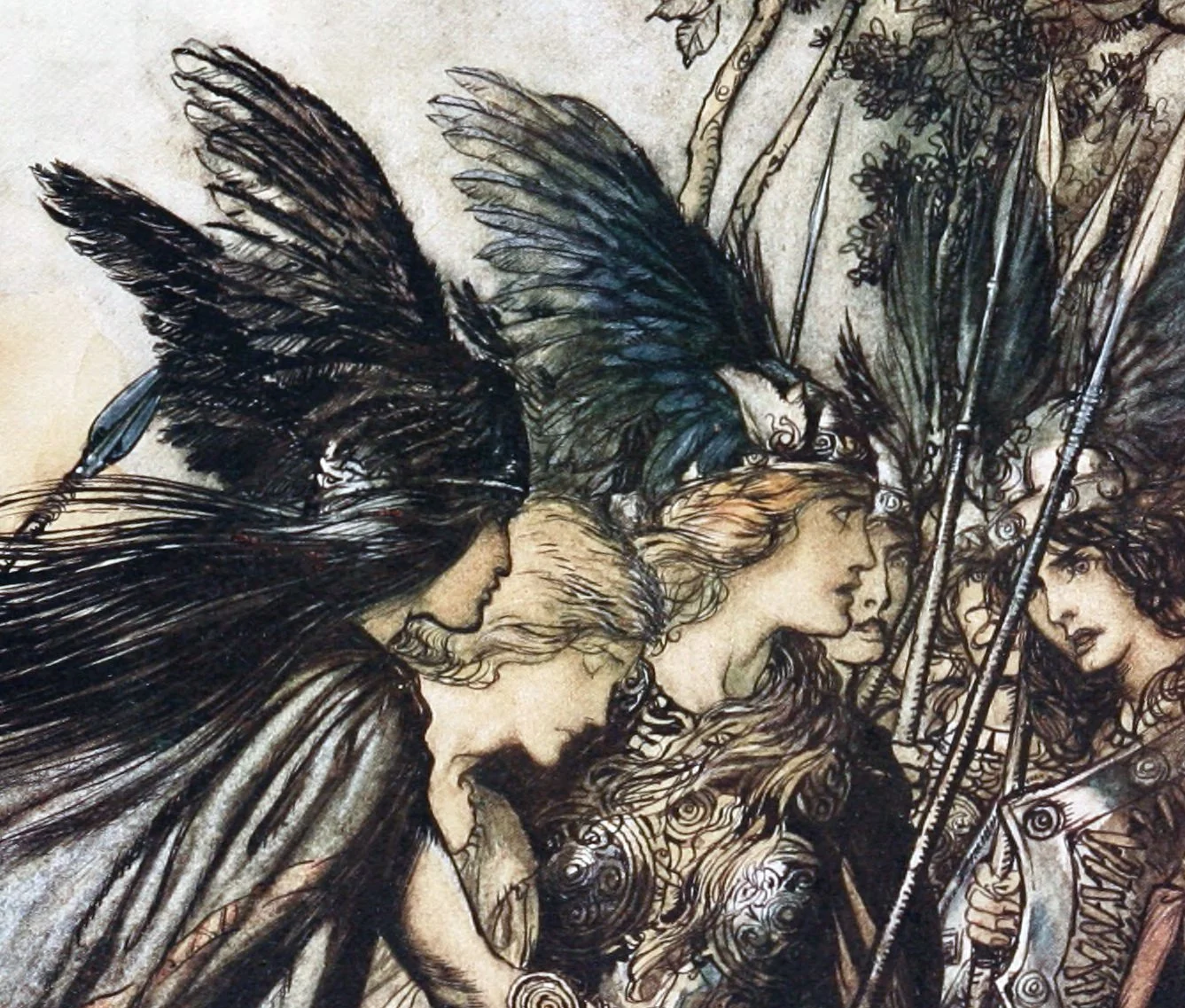
Rhinegold and the Valkyries by Arthur Rackham, 1910–11
The muse crosses every culture and century. In ancient Egyptian wall paintings, women move in profile across the plaster, timeless.
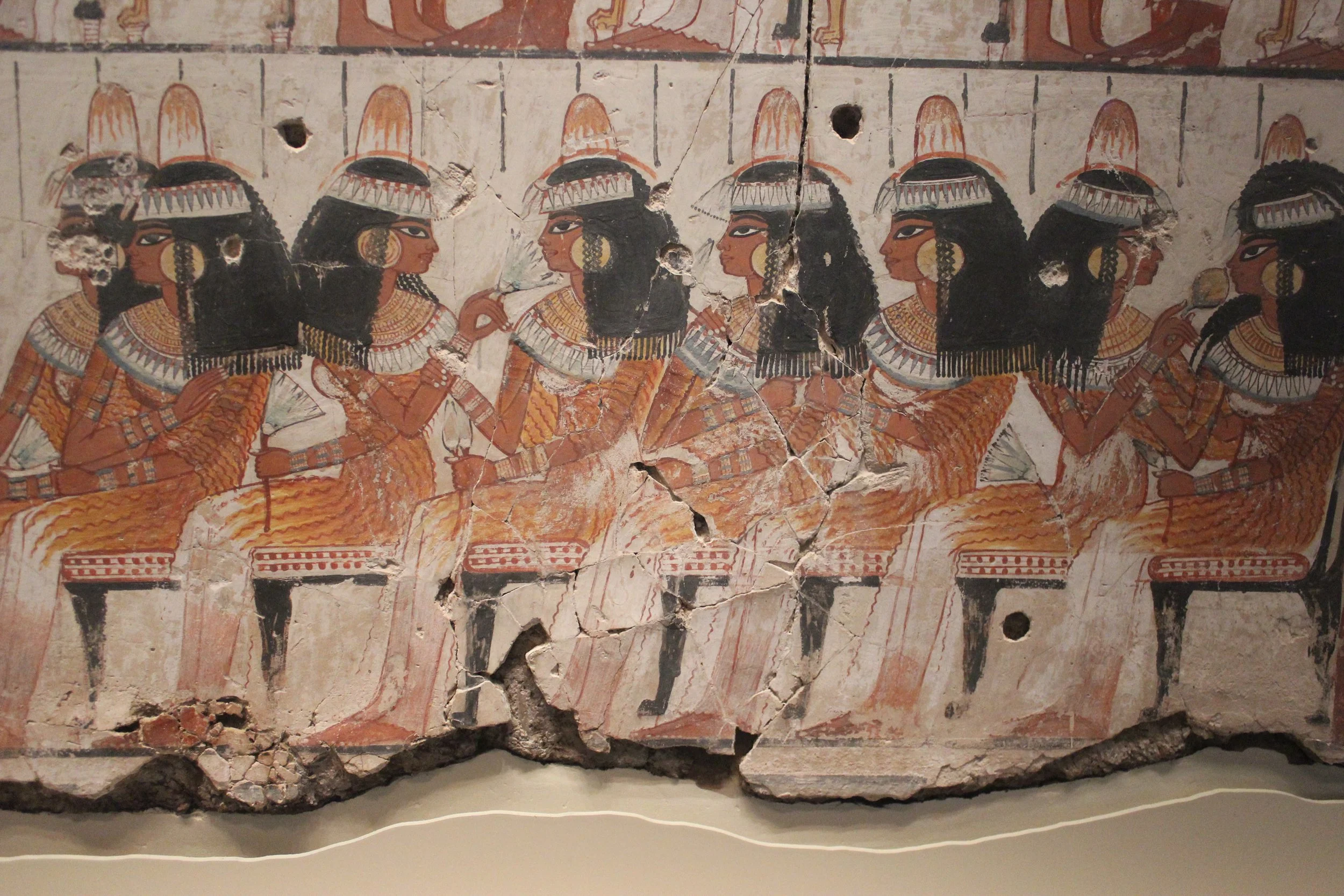
Tomb of Nebamun, British Museum
In the Orientalist canvases of nineteenth-century Europe, and in the Greek myth of the nine Muses themselves, women are imagined as the very source of art, poetry, music, and dance. And far to the east, in a quiet Yuan-dynasty painting, a lady stands among plum blossoms; in the flowing lines of a Chinese handscroll after Gu Kaizhi, court women are captured in ink and colour on silk, elegant, composed, watched.
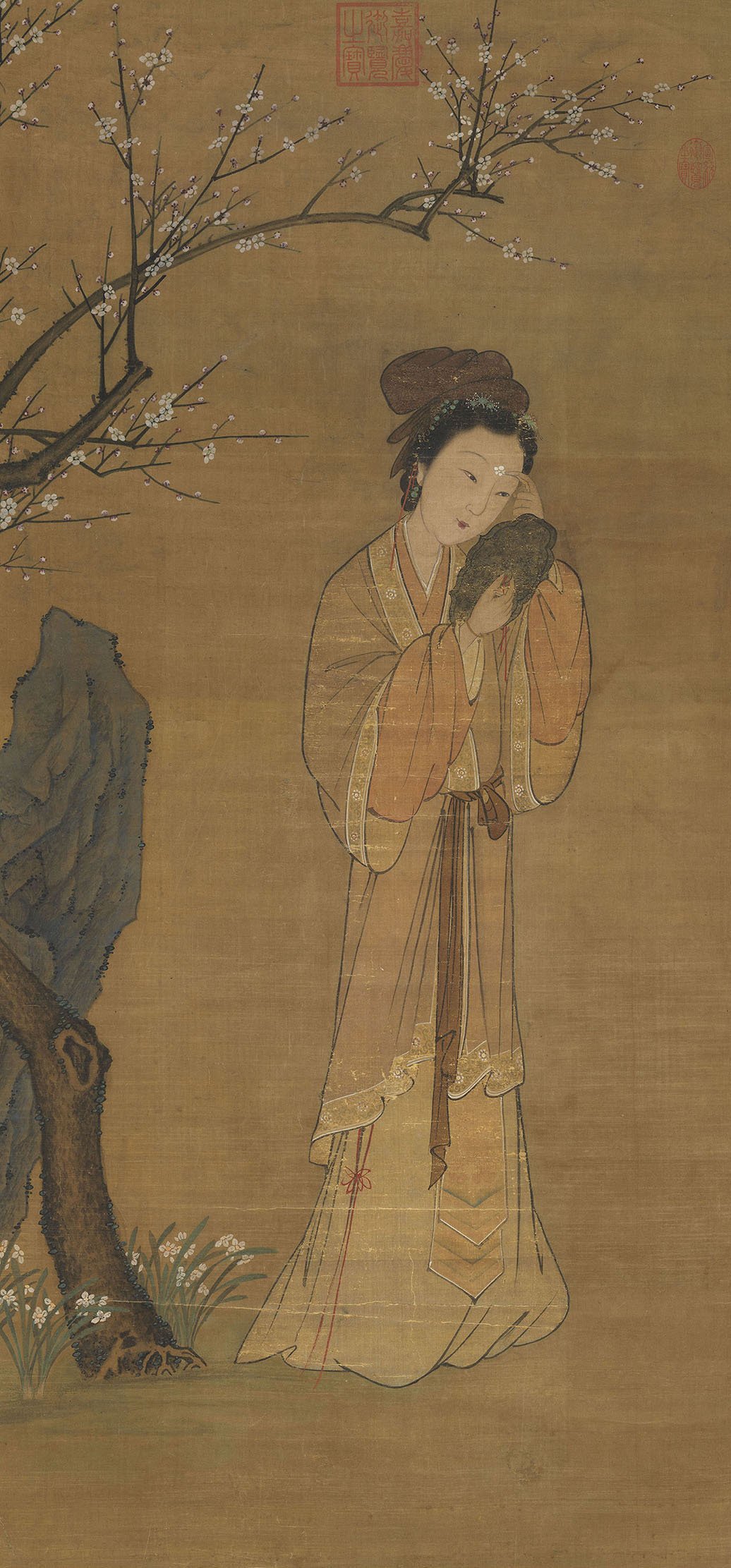
Lady and Plum Blossoms (Yuan dynasty)
These women are luminous. But look again, and you notice something. In almost every case, the woman is the subject. The one being looked at. The inspiration for someone else's art.
So here is the question at the heart of MUSE: what happens when the muse becomes the maker?
Because of course, women were never only the inspiration. They were the artists too. Often uncredited, often overlooked, often written out of the story, but there all along: making, creating, shaping culture with their own hands and bodies and voices.
Think of Pina Bausch, who tore up the rulebook of dance and built something entirely new, raw, human, unforgettable. Think of Jane Austen, quietly composing some of the sharpest, most enduring novels in the English language.
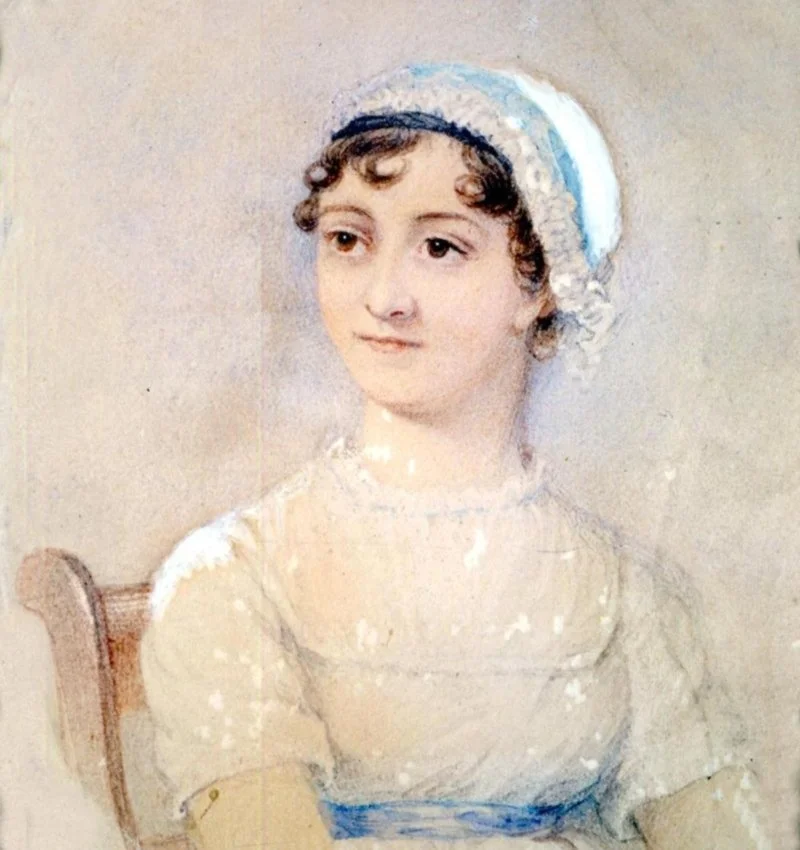
Jane Austen portrait by Cassandra Austen, c.1810
Think of Niki de Saint Phalle and her joyful, defiant sculptures, women rendered vast and powerful and free.
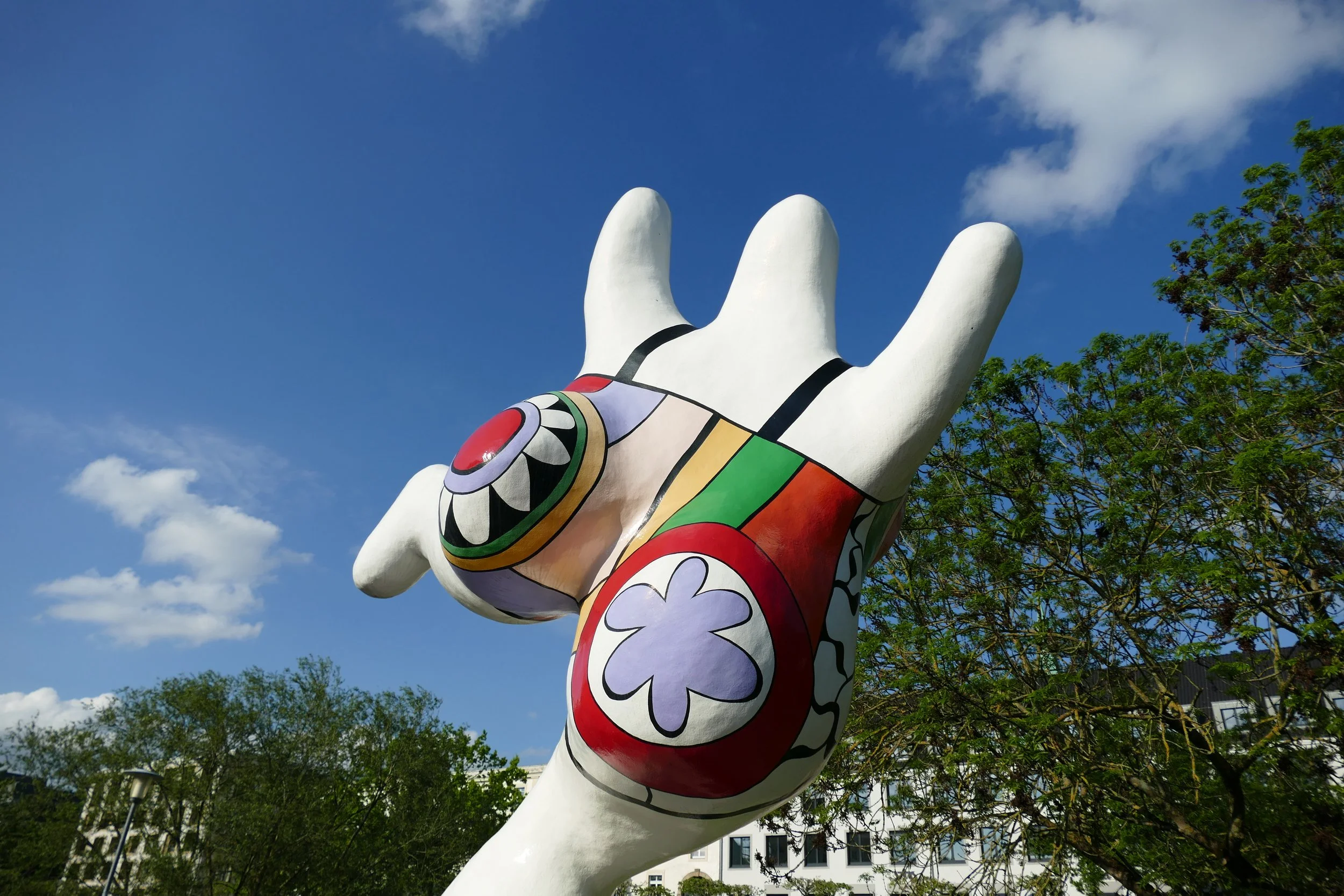
Nana “Sophie” in Hannover, by Niki de Saint Phalle
Think of the great women of the stage and of song. Oum Kalthoum, whose voice held all of Egypt spellbound for half a century.
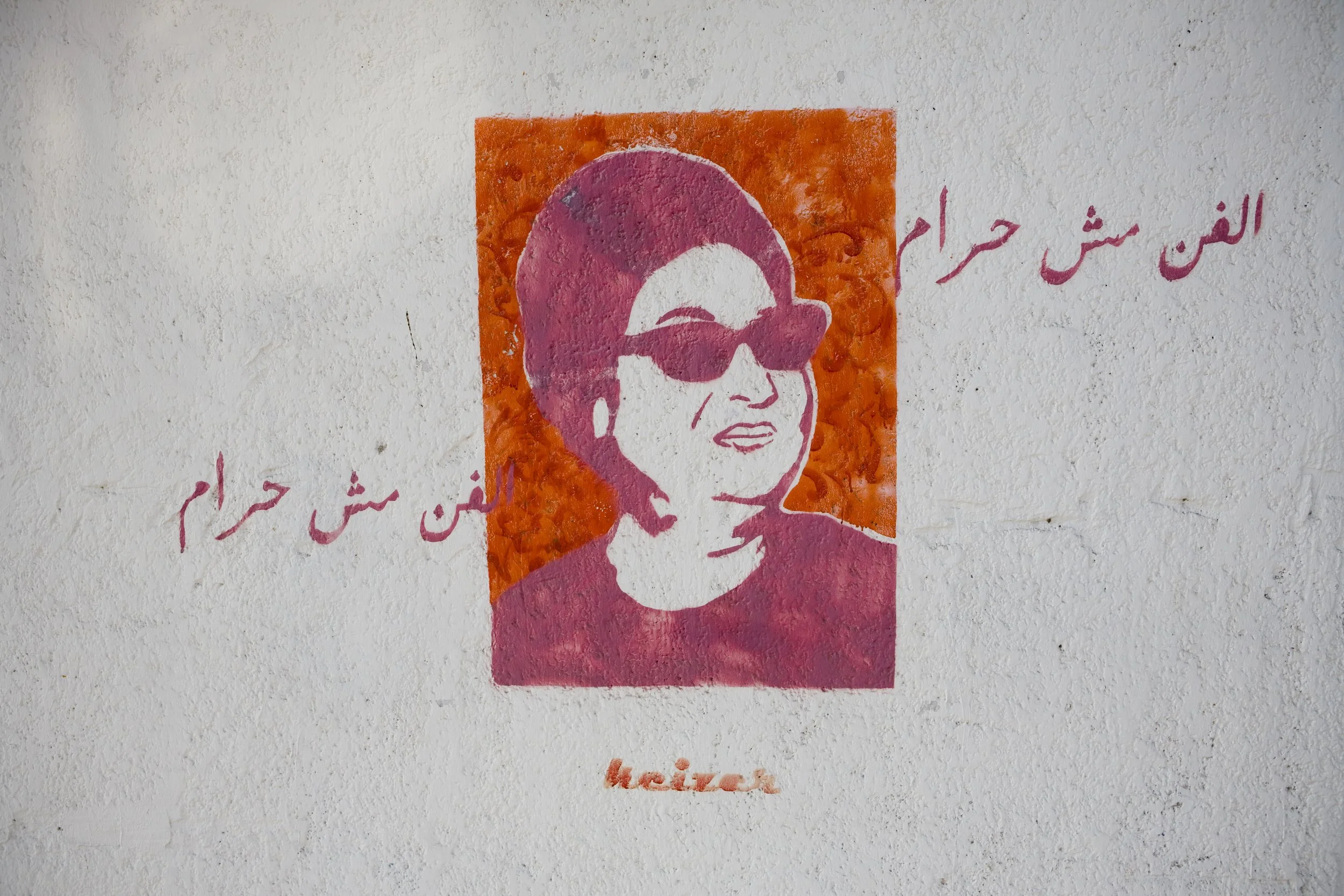
Oum Kalthoum, stencil by Keizer on the walls of the Agriculture Ministry, Dokki, Giza
Samia Gamal and Tahia Carioca, the luminous stars of the golden age of Egyptian dance, who shaped the very art of Raqs Sharqi that we still study today.
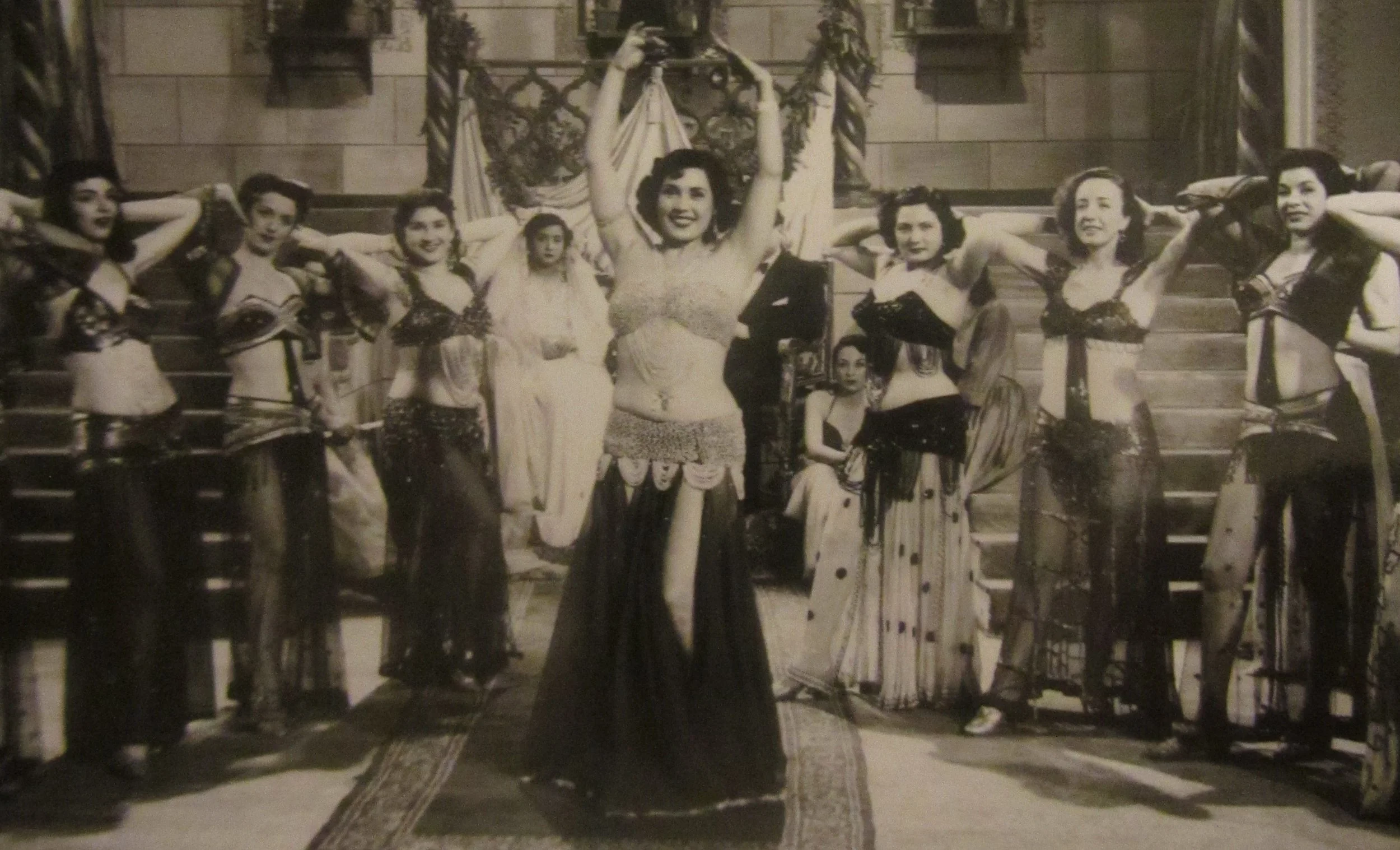
Tahia Carioca
Farzaneh Kaboli, a master of Persian dance. And Tórtola Valencia, the Spanish dancer, choreographer, costume designer and painter who, over a century ago, danced barefoot across the great stages of Europe. She was a muse herself, the inspiration for Rubén Darío's poem "The Barefoot Dancer", and yet she was never only that. She designed, she painted, she choreographed, she lived exactly as she chose. In one woman, the muse and the artist, inseparable.
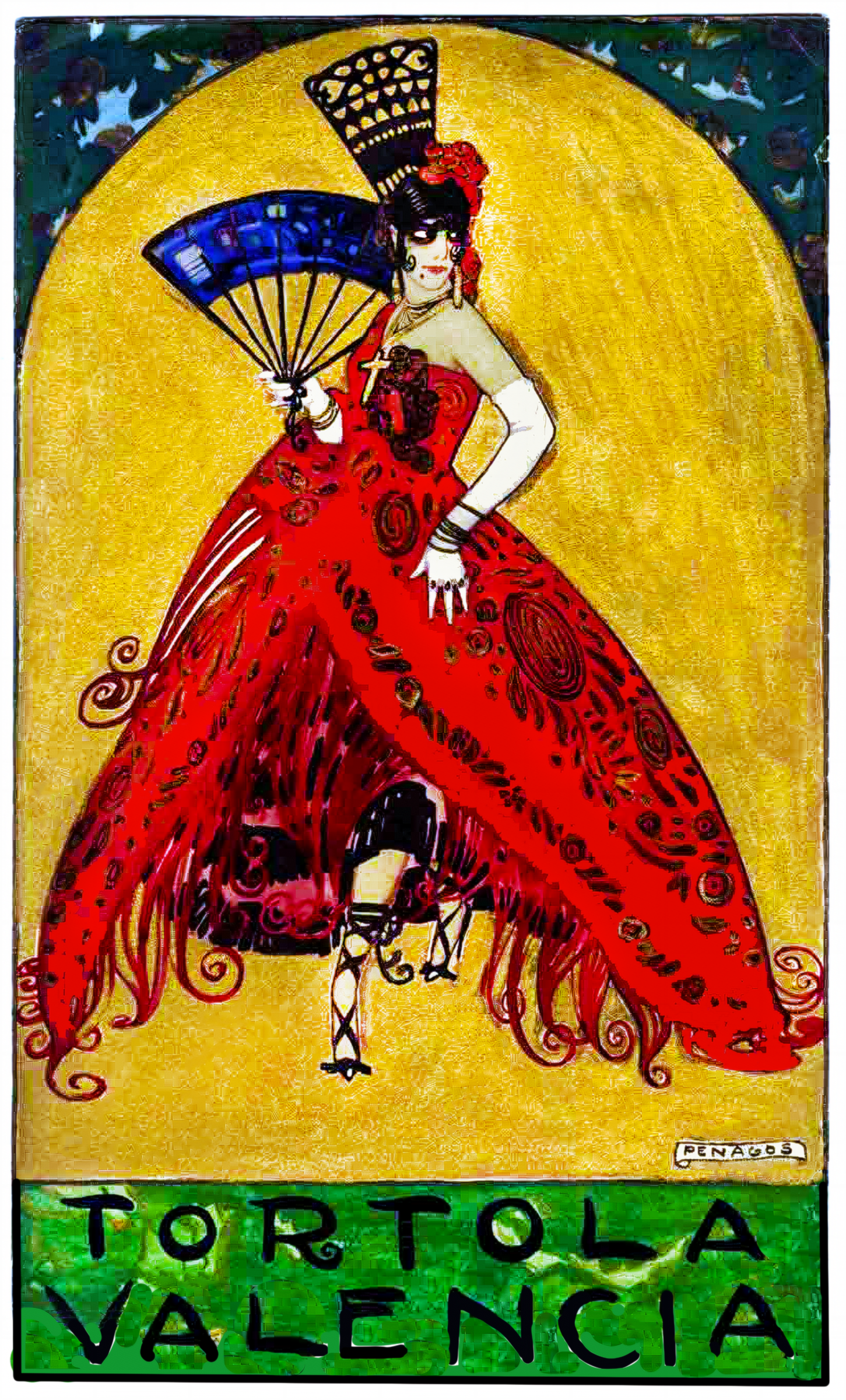
Tórtola Valencia by Rafael de Penagos, c. 1915
These women were not the subject of the art. They made it. And that is the turn at the heart of our show: from muse to maker, from the one who is seen to the one who creates, whether with the body, the voice, the pen, or the hand.
At MUSE, our dancers hold both truths at once.
In the first part of the evening, they become the muses, the Ophelias and Persephones and painted ladies, the figures who have inspired centuries of art, brought to life and given movement, breath, and presence. And in the second, they become the artists themselves, honouring the women who made and dared and led, and stepping fully into that same creative power.
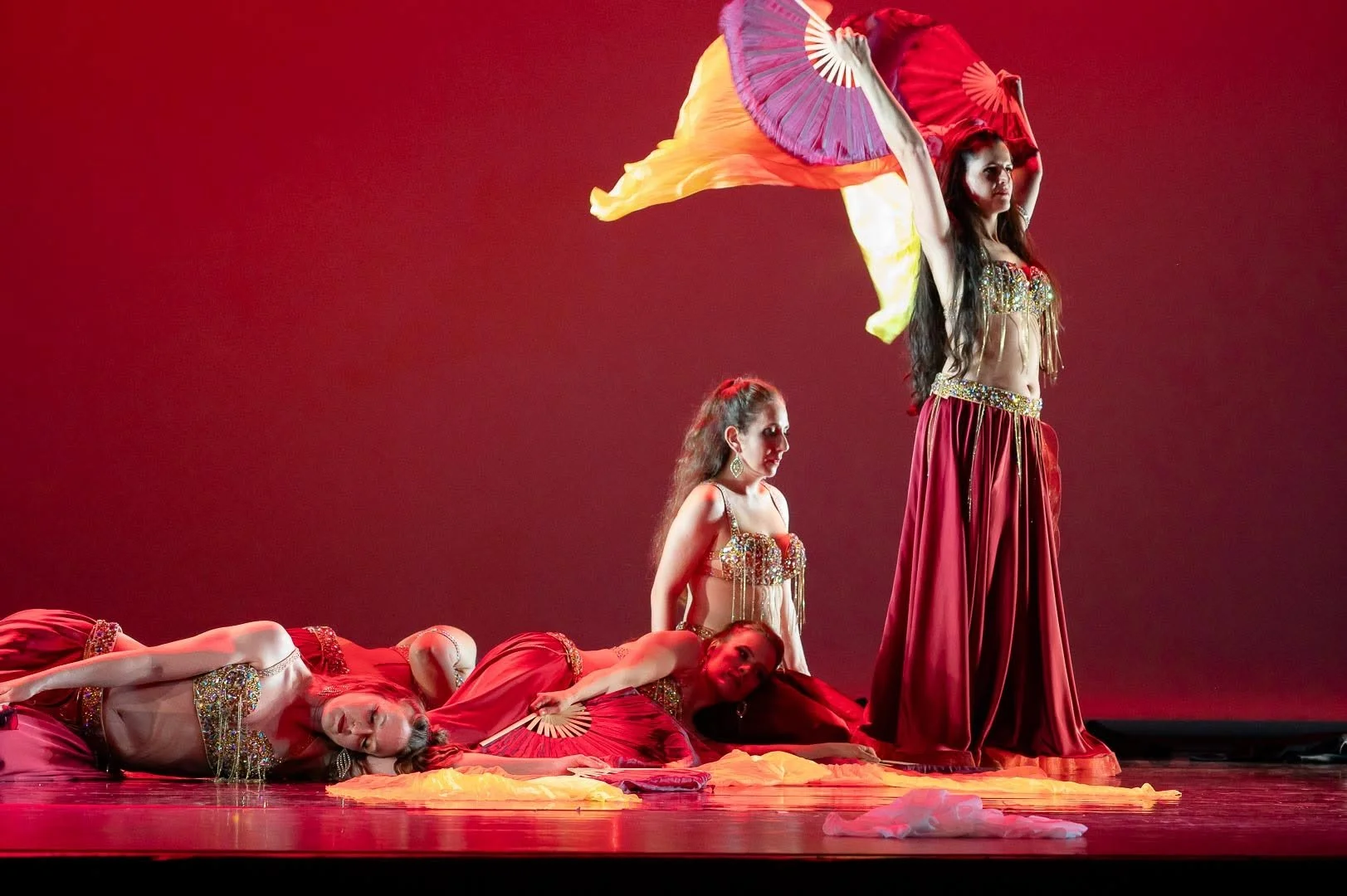
ALCHEMY, ZeoT dance show 2025
This is what makes MUSE more than a dance show. Every choreography has been created from scratch, months of work, drawn from an artwork, a myth, a woman who mattered. On that stage stand our teachers, alongside our wonderful students. Some have performed for years. Some are stepping into the light for the very first time. Together they say the same thing: I am not only the muse of this story. I am its author.
That is the quiet power of what we do at ZeoT. When you learn to dance, you stop being only the one who is watched. You become the one who moves, who chooses, who creates.
Come and witness it
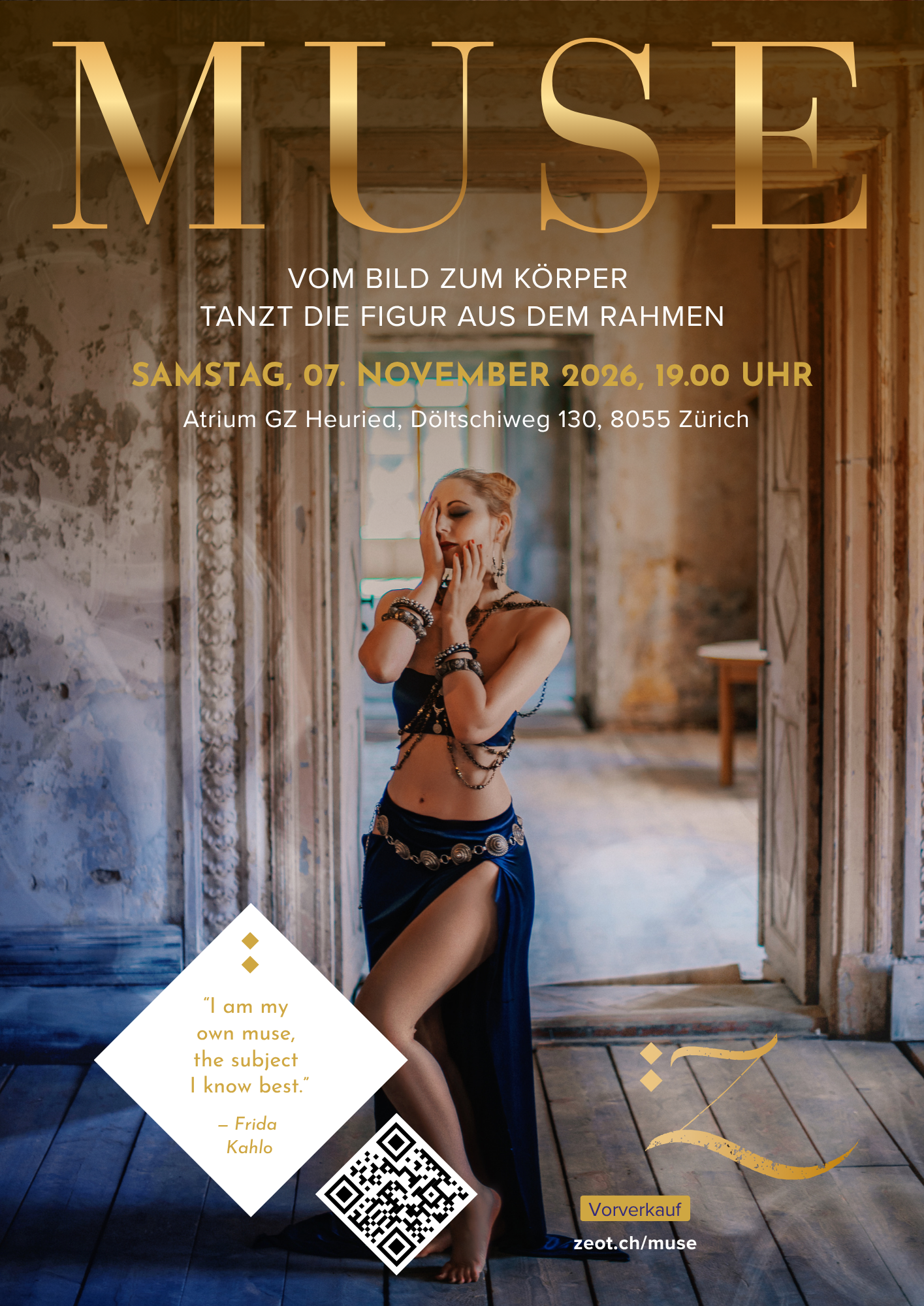
MUSE is our celebration of women, in art and as artists, and we would love you to be there.
MUSE
Saturday 7 November 2026
Atrium, GZ Heuried, Zürich
Tickets are on sale now. Gather your friends, your family, your colleagues, and join us for an unforgettable evening of oriental dance, original choreography, and a whole community of women stepping into their own creative power.